

From Trees to Stands:
The Costly Lesson That Made Me
Listen to My Mentor
Sometimes the most expensive education is the one you give yourself.
There is this saying that experience is the best teacher. What they do not always tell you is that the school fees can be quite high.
When I first started out in beekeeping, I came in with what I can only describe as chak achaka energy — that restless, fired-up motivation that makes you to overlook your current situation and pushes you to just start. I had done my research. I had found a mentor. And I was ready to start building something.
So I went ahead and bought two Kenya Top Bar Hives. My very first hives. That feeling of carrying them home, knowing they would soon house thousands of bees — there is nothing quite like it.
The Advice I Was Too Afraid to Take
My mentor’s guidance was straightforward: place the hives on a stand. Simple. Practical. Proven.
But my mind went elsewhere.
“What if someone steals them?”
Two hive boxes represent real money — money I had borrowed from a Sacco and invested. The thought of waking up one morning to find them gone was enough to make me second-guess everything. Nobody likes losing money. Ata wewe — you know it too.
So instead of following the advice, I looked up. Literally.
The Tree Solution — And the Problem It Created
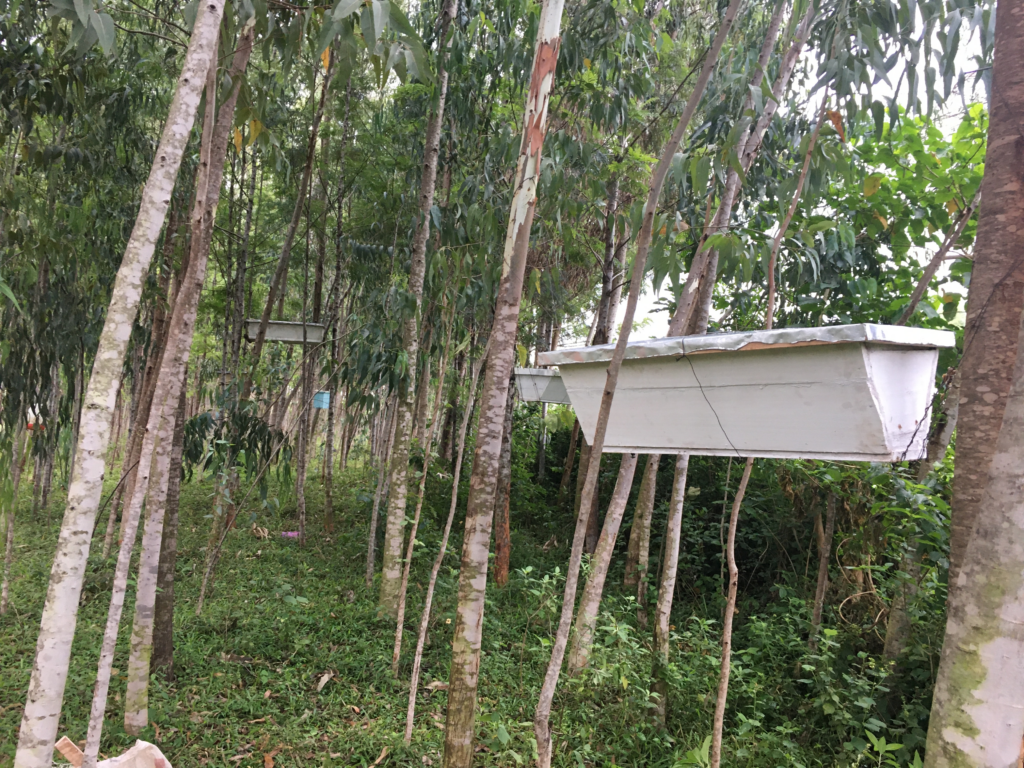
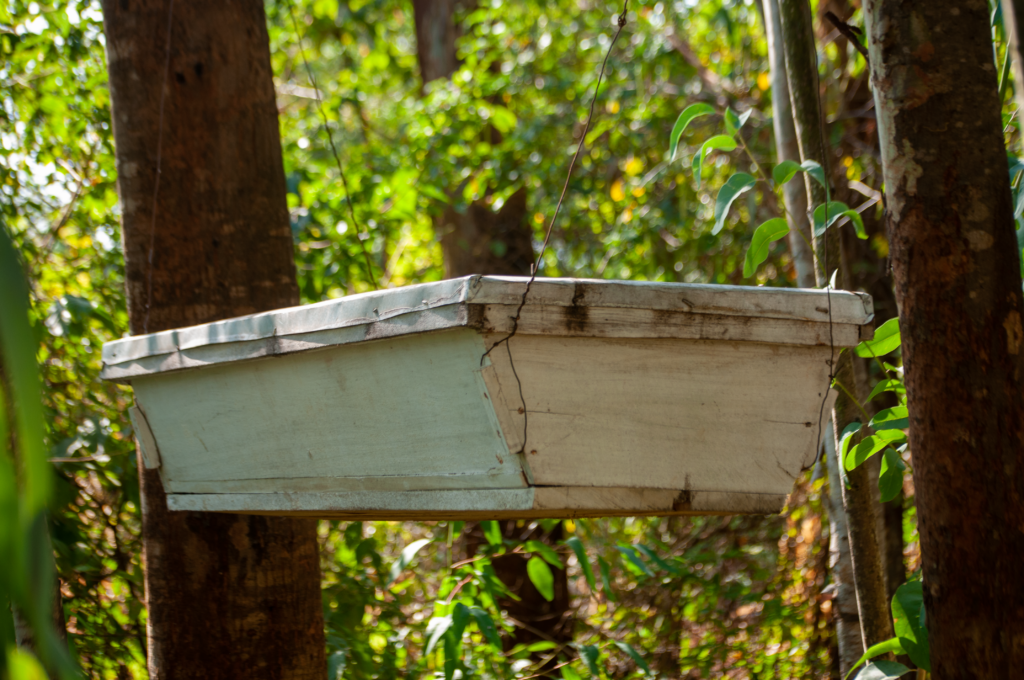
I decided to hang the hives up in the trees. It felt clever at the time. Up in the branches, they were out of reach, out of sight, and — I told myself — out of danger.
What I had not fully thought through was what came next.
Every single visit to the farm required a ladder. And a ladder is not something you tuck under your arm and walk with. It meant I had to be driven to the farm every time. Which meant fuel. Which meant my Dad’s time — a resource that, if you have ever leaned on a parent’s goodwill, you know is not unlimited and should never be taken for granted.
I was spending money to protect money. And the bees had not even produced a drop of honey yet.
When the Numbers Do Not Lie
At some point I sat down and did what every farmer eventually has to do — I did the maths.
I was making losses.
Fuel costs. Transport. The time lost coordinating drives to the apiary for what should have been simple farm visits. The wear and inconvenience on a relationship I valued. When I added it all up, one truth became impossible to ignore. Not because beekeeping was failing me. But because my stubbornness was costing me more than the risk I was trying to avoid. The very thing I had done to protect my investment was quietly draining it.
Lowering the Hives — And My Pride
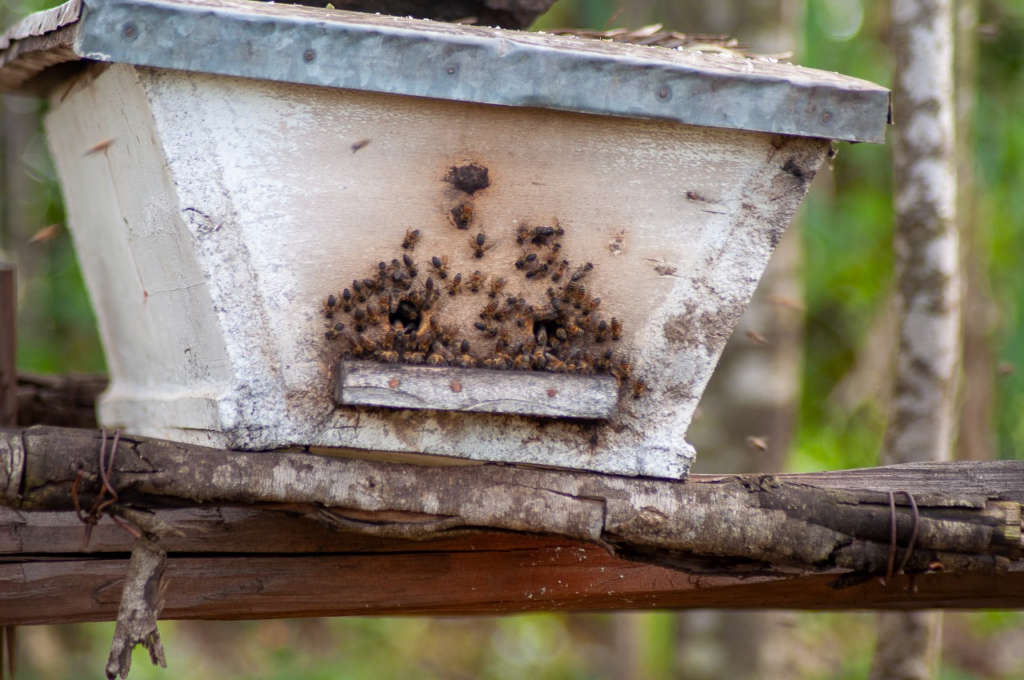
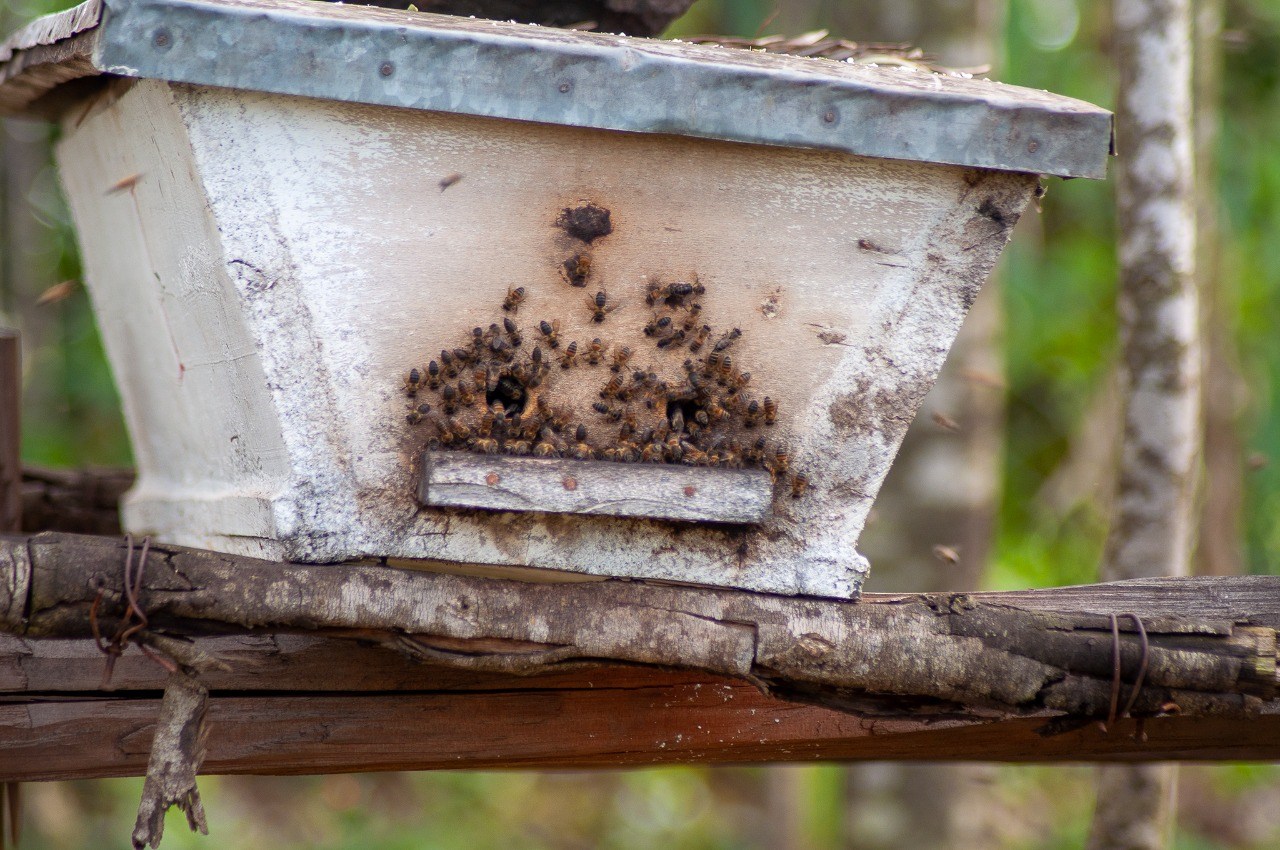
That is the moment I decided to follow my mentor’s advice and bring the hives down onto stands.
It was not the easiest decision to sit with. There is something humbling about admitting that the person guiding you was right from the beginning — and that the weeks of complicated logistics could have been avoided with a simple conversation and a little trust.
But that is exactly what good mentorship looks like. It does not always shout. It waits patiently while you learn the hard way, and then it is still there when you are ready to listen.
The hives came down. The ladder stayed home. The farm visits became straightforward again. And the unnecessary costs stopped.
What I Learned — And What I Want You to Take Away
If you are just starting out in beekeeping, or in any kind of farming, here is what this experience taught me:
- The fear of loss is real and valid — but make sure your protection does not cost more than what you are protecting.
- Run the numbers. Ask the uncomfortable questions early, before the costs stack up.
- When a mentor who has walked the path before you gives advice, take a moment before you dismiss it. They are not guessing. They are saving you from a lesson they already paid for.
“Chak achaka motivation will get you started.
But wisdom — borrowed or earned — is what keeps you going.”

Leave a Reply